Unknown's avatar

All posts by Callon Campbell [MVP]

CloudDevelopment

Introduction to Azure Functions

What is Azure Functions2

Azure Functions are a serverless, event driven experience that extends the existing Azure App Service platform, by building “nanoservices” that can scale based on demand and you only pay for the resources you use.

functionsAzure Functions is a solution for easily running small pieces of code, or "functions," in the cloud. You can write just the code you need for the problem at hand, without worrying about a whole application or the infrastructure to run it.

Supported Languages and Tools

Azure Functions can be created in C#, Node/JavaScript, Python, F#, PHP and scripting languages like Bash, Batch and PowerShell. You can even run executables.

Common Scenarios

Azure Functions is a great solution for building nanoservices, simple API’s, processing data and integration with systems. Here are some common scenarios for Azure Functions:

  • Timer-based processing
  • Azure service event processing
  • SaaS event processing
  • Serverless web application architectures
  • Serverless mobile backends
  • Real-time stream processing
  • Real-time bot messaging
sshot-306
Integrations

Azure Functions can be triggered by virtually any event in Azure, any 3rd party services, or any on premise systems. The following service integrations are supported by Azure Functions:

  • Azure DocumentDB
  • Azure Event Hubs
  • Azure Mobile Apps (tables)
  • Azure Notification Hubs
  • Azure Service Bug (queues and topics)
  • Azure Storage (blob, queues and tables)
  • GitHub (webhooks)
  • On-premises (using Service Bug)
Getting Started

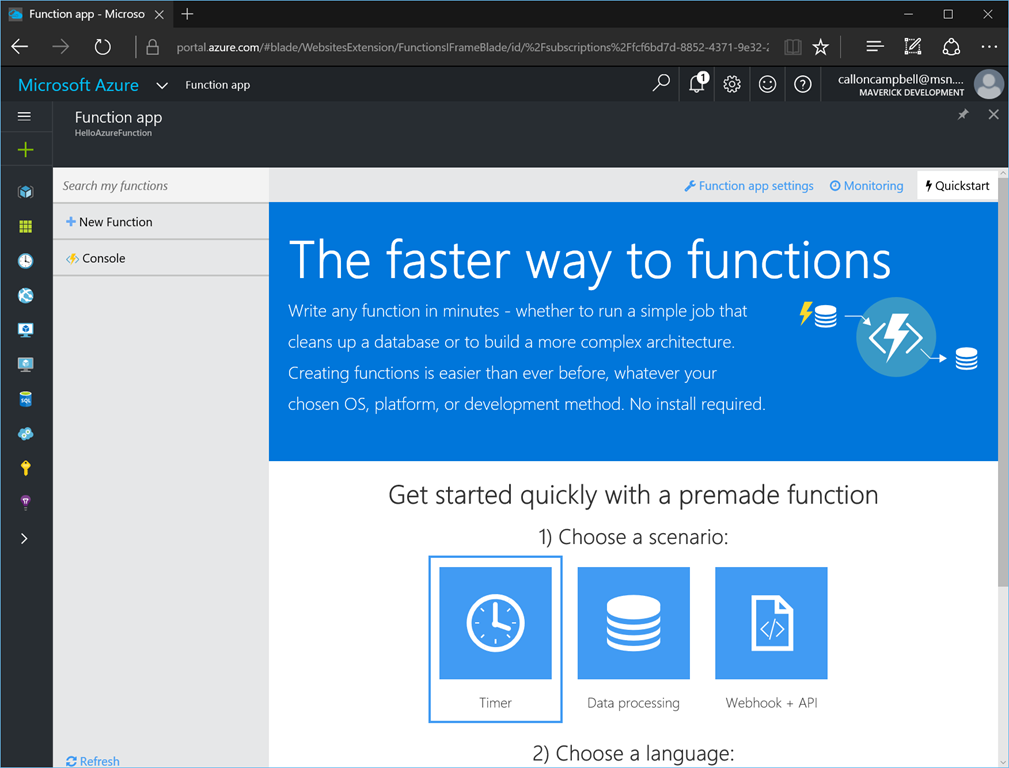
You can quickly get started with creating an Azure Function by going to the Azure Functions Get Started Portal. After logging in you will be taken to the Azure Functions getting started portal as shown below.

Portal1

Or create a function app from Azure Portal. This can be found under New –> Web + Mobile –> Function App:

FunctionApp-Portal2

Once you’ve created your Function App, you will be taken to the Function App blade in the Azure Portal. From this blade you can create new functions by clicking on the New Function button on the top left, which will bring us to pre-built templates. If you click on an existing function, which are listed along the left side, you can edit the function, look at logs and even test the function.

Portal2

Have fun and take a look at Azure Functions and how they might help you. In my next post I’ll dive deeper and walk you through creating, running and testing the function app.

Enjoy!
References

Azure Functions
Azure Functions Documentation
Build 2016 Video: Introducing Azure Functions

Uncategorized

VSTS and Visual Studio 2015 License Types — Automation Planet

Introduction Part 1: Visual Studio Professional licenses Part 2: Visual Studio Enterprise licenses Conclusion Introduction Visual Studio is a very powerful tool and service appropriate for individual developers or even for a team. With Visual Studio you can create any application for PC’s or web and the best part is that all are powered by…

via VSTS and Visual Studio 2015 License Types — Automation Planet

DatabaseDevelopment

SQL Server Management Studio 2016: Quick Overview

It’s been almost two months since SQL Server 2016 was released and today I’ll provide a quick overview of some of the benefits new with SQL Server Management Studio 2016 or also known as SSMS 2016.

New Installer

One of the first things I noticed when I installed SQL Server 2016 is that SSMS is no longer listed in the features for installation. This is because SQL Server Management Studio 2016 has become its own stand-alone installer that can easily be downloaded from the web. There is also a link in the SQL Server engine management tools which takes you to the web to download the separate installer for SSMS 2016.

By decoupling SSMS from the roughly two-year release cycle of the core product, the SSMS team is able to provide quicker releases for SSMS. In the two months since it’s released we’ve already seen two updates. From what I’ve read it looks like they’re on a monthly cadence – which is awesome!

sshot-301

Visual Studio Awesomeness

sshot-1

SSMS 2016 is now built upon the Visual Studio 2015 shell and unlike SSMS 2012 and SSMS 2014 that were based on Visual Studio 2010 this brings a number of improvements:

Performance

Now that SSMS 2016 is build upon the Visual Studio 2015 shell, it gets all the performance optimizations that came in versions of Visual Studio since Visual Studio  2010. This is something you’ll notice immediately when running SSMS 2016.

I don’t know why SSMS 2012 and SSMS 2014 weren’t updated to be based on the latest Visual Studio at the time. I guess timing was a factor and priority was probably put on the database engine and not the editor. Hopefully now that SSMS is decoupled from the database engine release cycle we will see SSMS be updated and based on newer versions of Visual Studio as they become available. 

Support for High-Resolution Displays

Anyone that is using a Microsoft Surface Pro or Surface Book will know the DPI issues that plagued previous versions of SSMS. SSMS 2016 finally provides first-class support for high-resolution displays. 

Removed dependency on .NET Framework 3.5

It’s always good to let go of dependencies on older frameworks like .NET Framework 3.5.

Automatic Updates

SSMS 2016 now automatically checks for updates on start-up and also provides a toast notifications within SSMS when a new release becomes available.

You also have the chance to manually check for updates rom the Tools menu as shown here:

check-for-updates

check-for-updates-dialog

Support for Themes

SSMS 2016 now comes with an additional them called Light. Any developer of Visual Studio will already recognize this theme and it’s a welcome addition. From what I’ve read online, the SSMS team is working on bringing a Dark theme to SSMS. Not sure when a Dark theme will be released but lets hope sooner than later. Everything just seems to run and look better in the Dark them.

themes

New Quick Launch and Find Dialogs

Another feature that comes with the Visual Studio 2015 shell is the new quick find dialog located in the upper right corner of the editor. SSMS 2016 also has the Quick Launch which is in the upper right corner of the window and allows you to quickly search for options, etc.

sshot-3

SSMS Azure Integration

The Table Designer is enabled for supporting Azure for SQL Database v12. The Database and Properties dialogs also work with Azure SQL Database v12.

Import and Export wizards also support Azure Database service tiers.

Next Steps

Download SSMS 2016: https://msdn.microsoft.com/en-us/library/mt238290.aspx
Download SQL Server Data Tools (SSDT) https://msdn.microsoft.com/en-us/library/mt204009.aspx
Download new World-Wide Importers sample database

DevelopmentManagementSoftware

The Quiet Crisis unfolding in Software Development

Came across a great article today about the quiet crisis that is unfolding in software development. Being a software developer myself I almost 99% agree with this article and see it day in and day out. Hopefully things in our industry change.

Anyway enjoy the read!

https://medium.com/@billjordan1/the-quiet-crisis-unfolding-in-software-development-cffbdafbf450#.xhx8la62c

DevelopmentIoTTechnologyWindows

Unboxing Adafruit Starter Pack for Windows 10 IoT Core on Raspberry Pi 2

AdafruitDisplay

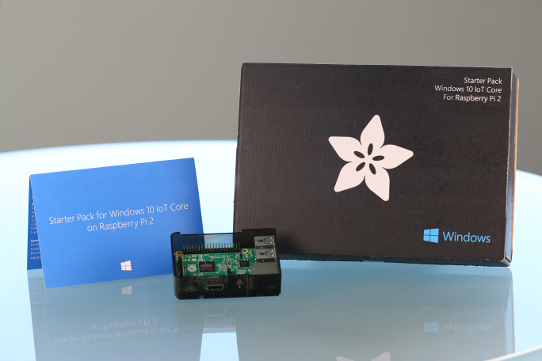
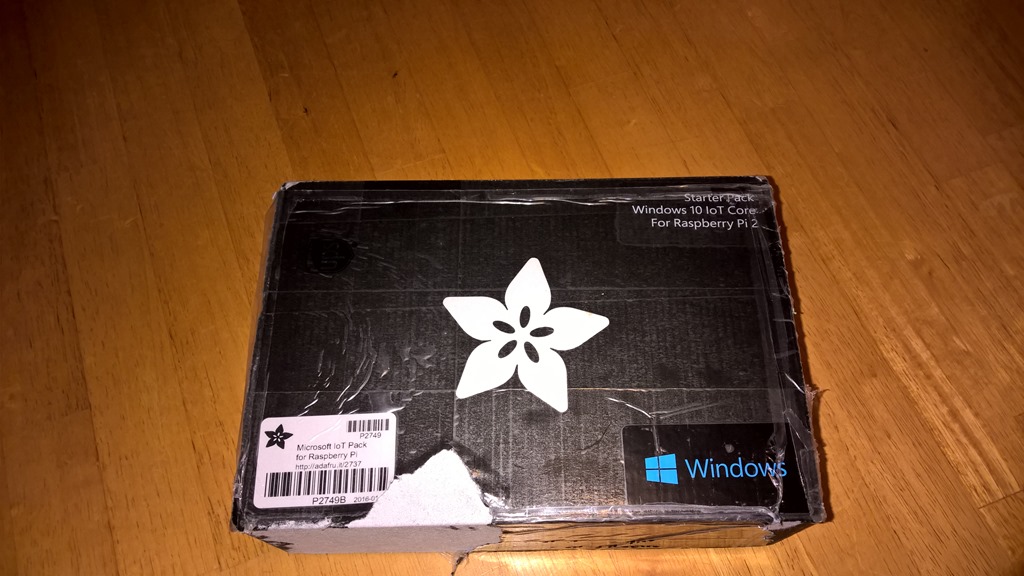
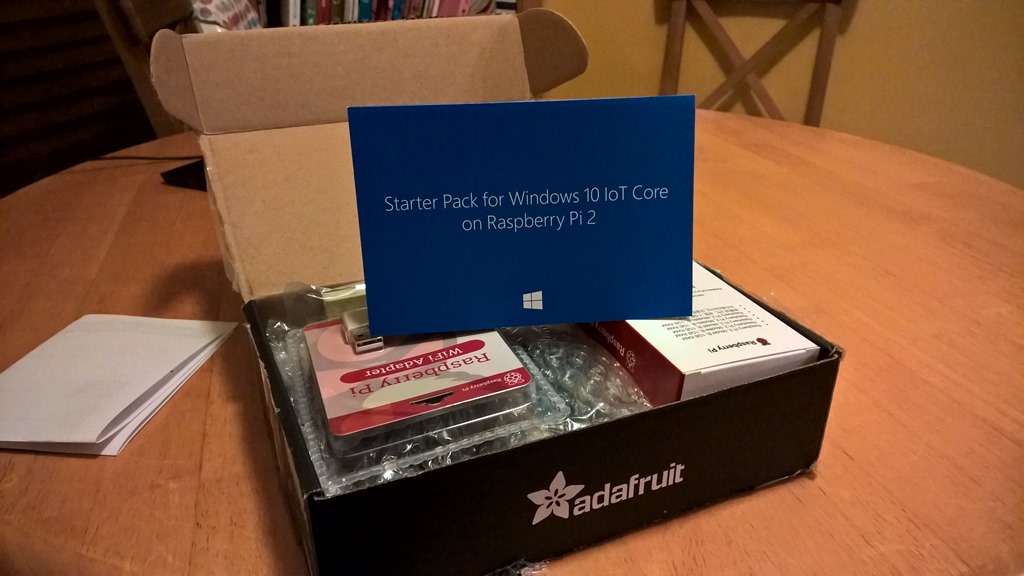
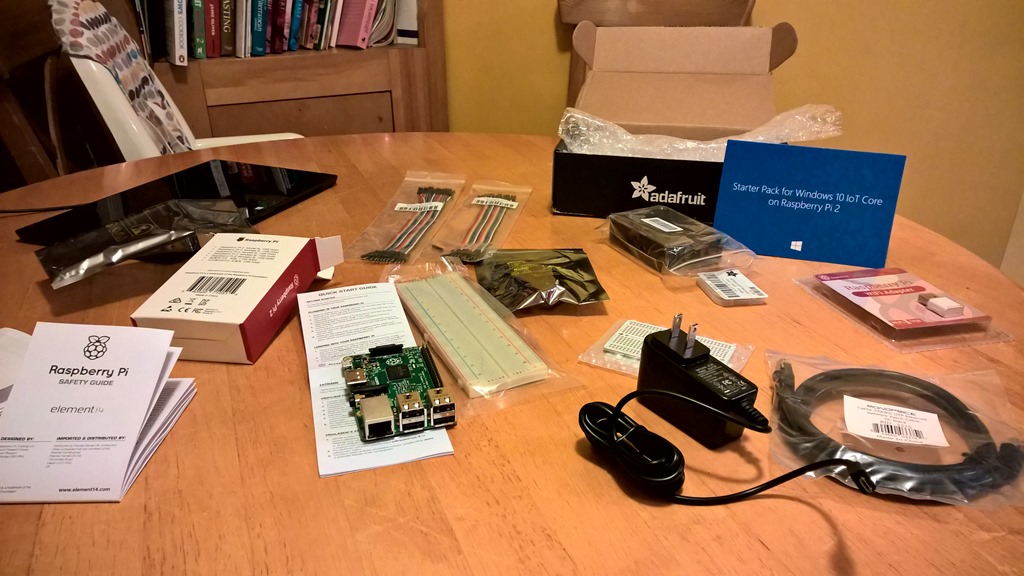
Today I received my Starter Pack for Windows 10 IoT Core on Raspberry Pi 2. I purchased it from Adafruit, which you can order from here.

“Windows 10 IoT Core is a new edition of Windows targeted towards small embedded devices and maker boards such as Raspberry Pi2. IoT core is designed to work with low-level bus interfaces such as I2C, SPI, USB. You can write a Universal Windows Application using a variety of programming languages in Visual Studio to rapidly create maker projects.

You can use Windows 10 IoT Core to read sensor data, control actuators, connect to the cloud, create IoT applications and much more. The Starter Pack from Adafruit includes parts to get you started.”

Let’s get started!

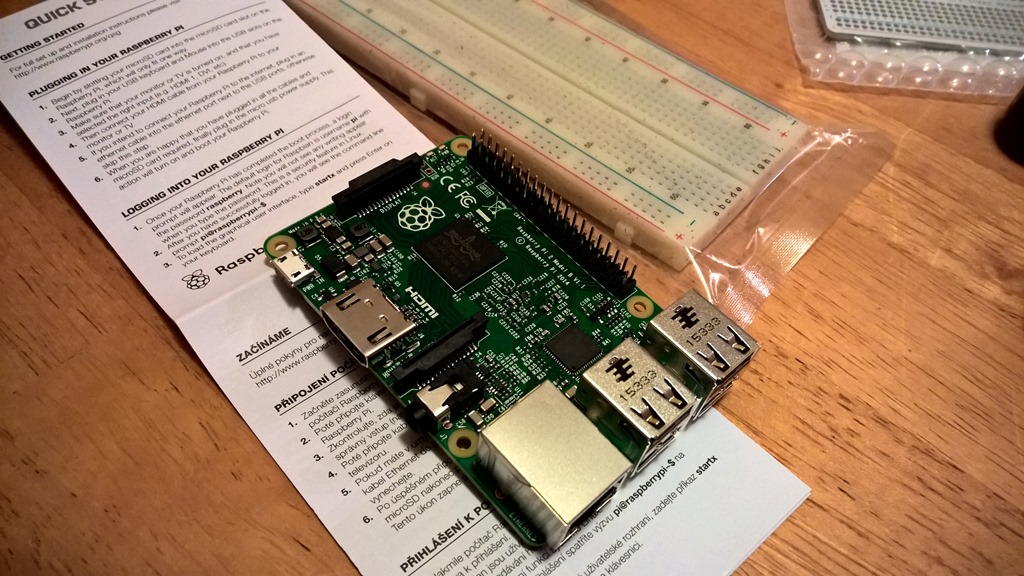
Unboxing

WP_20160114_22_59_17_Pro_LI

WP_20160114_23_00_00_Pro_LI

WP_20160114_23_13_57_Pro

WP_20160114_23_14_12_Pro_LI

The Parts

Essentials

Item Quantity
Raspberry Pi 2 Board (Included in some versions of the Adafruit Starter Kit) 1
Adafruit Raspberry Pi Case 1
8GB SD card with Windows IoT Core 1
5V 2A Power Supply with MicroUSB Cable 1
USB WiFi Module 1
Ethernet Cable 1
Full Size Breadboard 1

Components

Item Quantity
Premium Male/Male Jumper Wires 1
Premium Female/Male Jumper Wires 1
MCP3008 – 8-Channel 10-Bit ADC 1
Assorted LEDs 6
Potentiometers 2
Tactile Switches 3
Resistors 10
Capacitor 1

Sensors

Item Quantity
Photocell 1
Adafruit BMP280 Temperature + Barometric Sensor 1
Adafruit TCS34725 Color Sensor 1


Setup

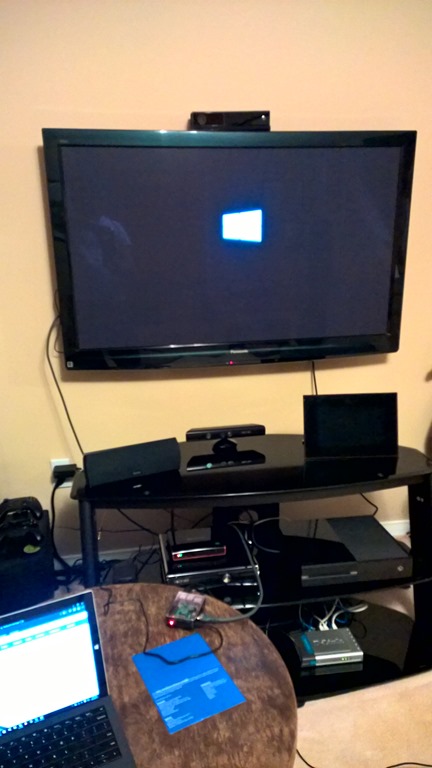
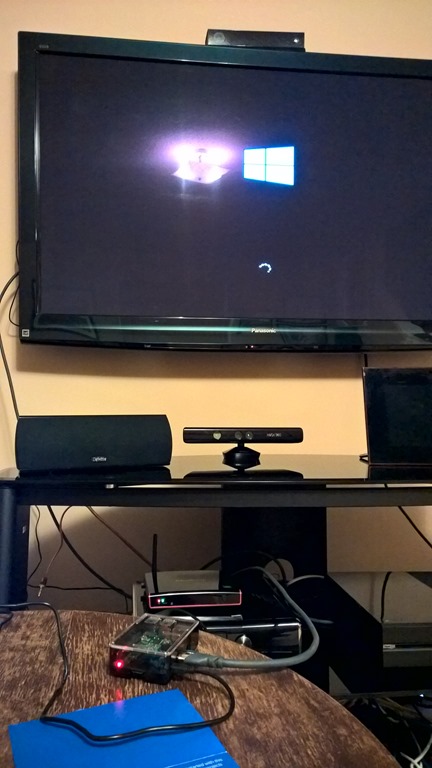
Plug in the HDMI and Ethernet cables and then plug in the power source. It was too late at night to setup the wifi, so I’ll leave that for another day.

WP_20160115_00_10_03_Pro_LI

It took about 5 minutes for the Raspberry Pi to boot up the first time.

WP_20160115_00_10_24_Pro_LI

Once it was booted up you see the following screen which allows you to interact with the device.

WP_20160115_00_17_25_Pro_LI

Next Steps

Now that you’ve connected your Raspberry Pi, you need to configure your PC and Raspberry Pi before your can start development.

  1. Setting up your PC
  2. Setting up your Raspberry Pi
  3. Start Coding!

Enjoy!
Development

Extended Strongly Typed Resource Generator for VS2013 and VS2015

Following up to a post I did in 2012 on ResXFileCodeGeneratorEx Update for VS2010, here are links to download this tool for Visual Studio 2015 and Visual Studio 2013:

Extension for Visual Studio 2015 can be found here:
https://visualstudiogallery.msdn.microsoft.com/f43d27fa-6bf7-4f3d-bf5e-3e716e63716b

Extension for Visual Studio 2013 can be found here:
https://visualstudiogallery.msdn.microsoft.com/16d24be3-6400-4a43-b946-766e41aca4bd

Enjoy!
Uncategorized

Getting Microsoft Band Running Outside of the United States

Great post from James Chambers on getting up and running with the Microsoft Band outside of the United States:

http://jameschambers.com/2015/04/getting-microsoft-band-running-outside-of-the-united-states/

I live in Canada and had no troubles with James instructions on getting the Microsoft Health app on my Windows Phone. I was also able to install the Microsoft Health app on my 5th generation iPod Touch.

Here are the links for phone apps:

Enjoy!
Uncategorized

Microsoft Band SDK Preview now available

two-bands

The Microsoft Band SDK preview was made available back in February 2015 and can be downloaded from http://developer.microsoftband.com/

Here is some information from the developer site…

The Microsoft Band SDK Preview gives developers access to the sensors available on the band, as well as the ability to create and send notifications to tiles. Enhance and extend the experience of your applications to your customers’ wrists.

Get started with the Microsoft Band SDK Preview

The Microsoft Band SDK Preview gives developers access to the sensors available on the band, as well as the ability to create and send notifications to tiles. Enhance and extend the experience of your applications to your customers’ wrists.

Create amazing app experiences for Microsoft Band

Extend the experience of your application to your users’ wrists via a new dimension of interaction. Create an app that can send UI content to the band, keeping users engaged when they’re in motion. Your app can also receive data directly from the band sensors, giving your users more reasons to interact with it. Create a personalized, data-rich, custom experience and enhanced scenarios that will engage users in ways only possible with Microsoft Band.

Access sensors

Use a range of sensors including heart rate, UV, accelerometer, gyroscope, and skin temperature, as well as fitness data, to design cutting-edge user experiences.

stream-image

Create your tile

Keep users engaged and extend your app experience to Microsoft Band. Create tiles for the band that send glanceable notifications from your app to your users.

create-image

Personalize your app

Monetize your app by offering users ways to customize the band. Change the color theme, or bring the Me Tile to life by changing the wallpaper.

personalize-image

References

http://developer.microsoftband.com/

CloudDevelopment

Elements for Visual Studio Online & TFS

Elements for Visual Studio Online & TFS.

Elements is a browser extension and does not require any server installation.It supports both Visual Studio Online and Team Foundation Server 2013.

elements-for-visual-studio-online-tfs

Reference

https://mohamedradwan.wordpress.com/2014/12/30/elements-for-visual-studio-online-tfs/

Development

Versioning Assembly during TFS Build 2013

Versioning Assembly during TFS Build 2013

via Versioning Assembly during TFS Build 2013.